Food people travel differently. They notice what’s growing alongside the road. They stop at markets that are not on any tourist map. They ask what the sauce is made of and whether the fruit was picked this morning. They understand, in a way that other travelers sometimes don’t, that the most direct route into a culture is usually through the kitchen.
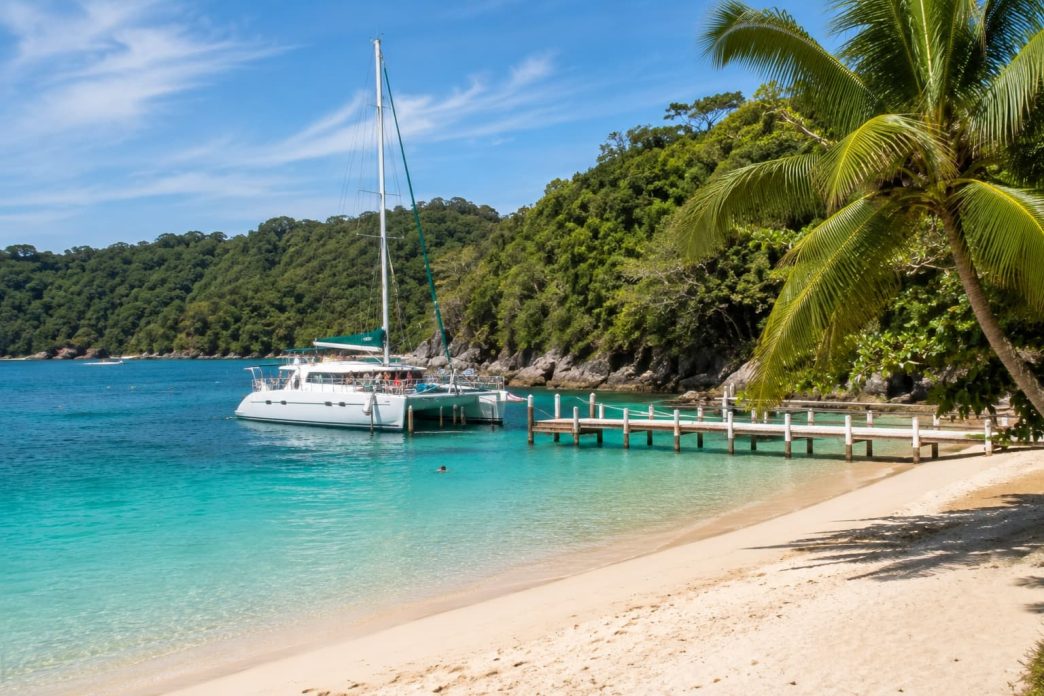
Costa Rica rewards this kind of attention more than most countries. It sits in one of the most biodiverse regions on earth, at the convergence of North and South American ecosystems, with Pacific and Caribbean coastlines, tropical forest, volcanic highland, and river valley all within a few hours of each other. That biodiversity is not just an ecological fact. It shows up on the plate in ways that range from the expected to the completely unfamiliar. A day trip to Tortuga Island, sailing across the Gulf of Nicoya on the Pacific coast, is one of the best ways to experience that range in a single day.
Here are eight reasons it belongs on the food lover’s Costa Rica itinerary.
1. The Boat Itself Serves One of the Best Buffets You’ll Have in Costa Rica
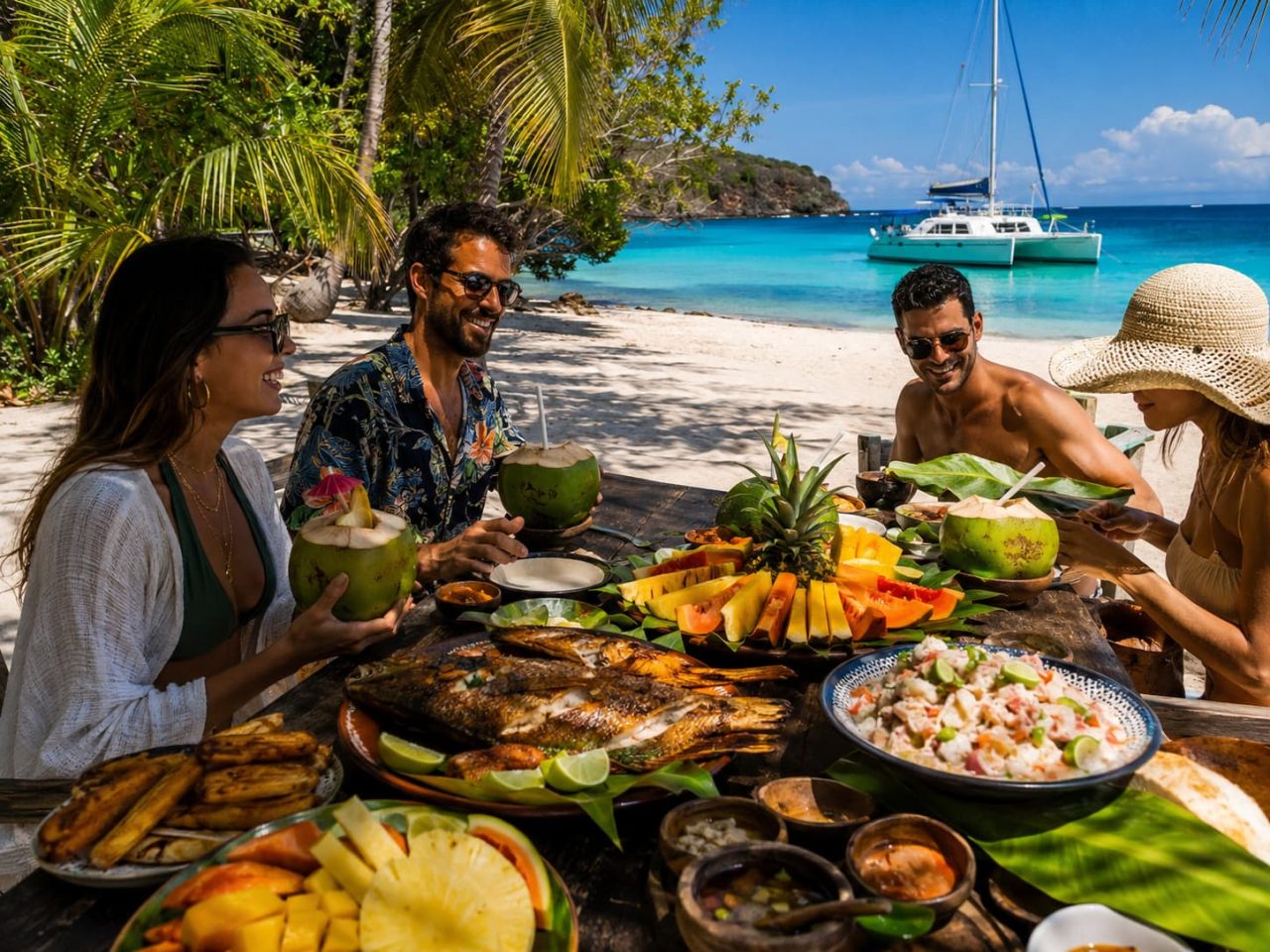
The catamaran cruises that run from Puntarenas and Jacó to Tortuga Island are not the kind of boat trip where you bring your own snacks and hope for the best. The standard Tortuga tour includes a full lunch buffet served on board or on the island beach, built around grilled fish, rice and beans prepared the Costa Rican way, fried plantains, fresh tropical fruit, and a rotating selection of local dishes that varies by operator and season.
The rice and beans alone are worth mentioning. Gallo pinto, the Costa Rican combination of rice and black beans cooked together with onion, pepper, and Salsa Lizano, the country’s ubiquitous Worcestershire-adjacent condiment, is one of those dishes that tastes ordinary when described and unreasonably good when eaten properly made, preferably with scrambled eggs at breakfast or alongside grilled fish at lunch. On the boat, you’ll eat it both ways.
2. The Tropical Fruit on This Route Is in a Different Category
Costa Rica grows fruit that most visitors from Europe or North America have encountered only in processed or imported form. The difference between a mango that was picked three days ago in Germany and one that was picked this morning in the Central Valley is not a small difference. It is a different food. The same is true for papaya, pineapple, starfruit, cas (a tart guava relative that Ticos use for juice and desserts), guanábana, and the various tropical plums and cherries that don’t survive transport and are therefore almost unknown outside the region.
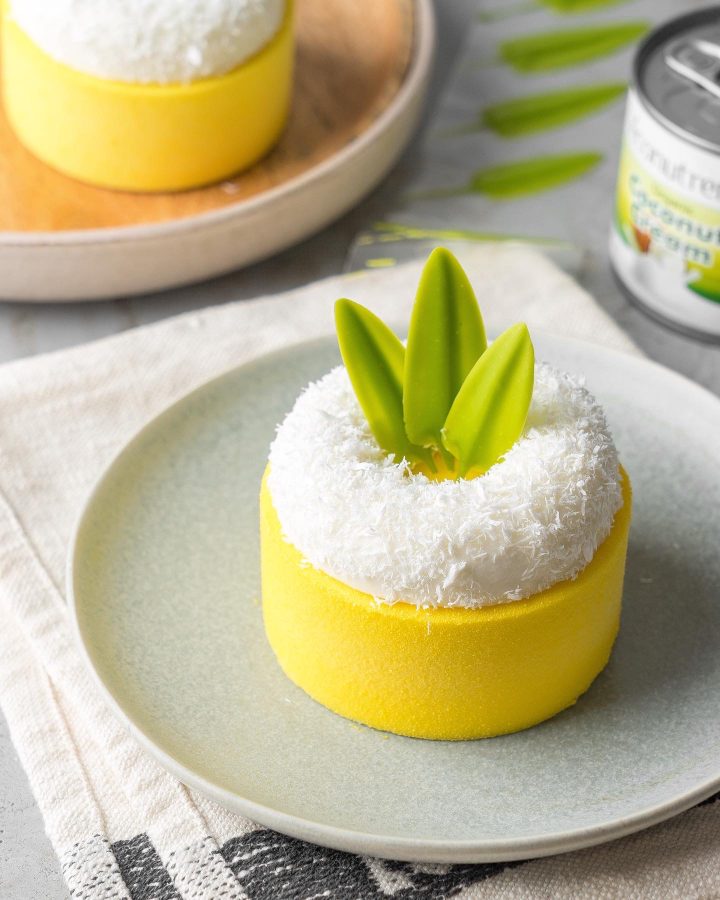
On a Tortuga tour, fresh fruit appears at multiple points across the day: with breakfast before departure, as part of the lunch service, and in juice form throughout. The pineapple grown in the lowlands around the Gulf of Nicoya is among the best in the country, which is already among the best pineapple-growing regions in the world. For bakers and pastry cooks who work with tropical flavours, tasting these ingredients at full ripeness in their country of origin recalibrates what you understand those flavours to actually be. The Pina Colada cake on a menu like this one starts to look different after you’ve eaten a properly ripe Costa Rican pineapple on a boat in the Pacific.
3. Fresh Pacific Seafood Is Central to the Nicoya Coast Food Culture
The Gulf of Nicoya, the large inlet on Costa Rica’s Pacific coast that Tortuga Island sits within, supports an active small-boat fishing fleet working snapper, grouper, mahi-mahi, sea bass, and various shellfish. The proximity of the fishing grounds to the coast means that the seafood served in the towns along the gulf, and on the boat tours that cross it, is often caught the same morning it is served.
Grilled snapper with rice and plantain is the standard lunch offering on most Tortuga tours, and when the fish is fresh from the gulf, the simplicity of the preparation is the point. There is no need for elaborate sauce work when the fish arrived alive a few hours ago. This is the same principle that governs the best seafood restaurants in coastal Berlin in season, and in Costa Rica it applies year-round at a price point that is considerably more approachable.
4. Costa Rica’s Culinary Tradition Deserves More Attention Than It Gets
Costa Rican food has a reputation, not entirely fair, for being plain. The reality is more interesting. The cuisine is built on a foundation of indigenous, Spanish, and Afro-Caribbean traditions that produce different results depending on which part of the country you’re in. The Caribbean coast cooks with coconut milk, scotch bonnet peppers, and spice combinations that trace directly to Jamaican and Trinidadian cooking traditions brought by workers on the banana plantations in the 19th century. The highland Central Valley produces dairy, coffee, and root vegetables. The Pacific coast centers on tropical fruit, fresh fish, and the corn-based preparations that the indigenous peoples of the region developed long before European contact.
A Tortuga tour routes through Pacific coast food culture specifically, which means the corn tortillas, the ceviche prepared with fresh fish and citrus, the agua dulce made from unrefined sugar cane, and the various preparations built around plantain that appear at every stage of ripeness from starchy green tostones to sweet ripe maduro. Each of these is worth paying careful attention to.
5. The Coconut Water on the Island Is the Real Thing
Tortuga Island itself is a small, forested island with white sand beaches and a coconut palm canopy that provides most of the shade. The island vendors serve coconut water straight from the nut, cut open with a machete on the spot. This is not a detail worth overlooking. Packaged coconut water, even the good-quality kind, is a reasonable approximation of something that tastes completely different when drunk from a freshly opened green coconut in 30-degree heat on a Pacific island beach.
The water from a young green coconut is lightly sweet, faintly mineral, and cooling in a way that is physiological rather than just psychological. The flesh inside a young coconut, scooped out with a piece of the shell after the water is finished, is soft and gelatinous rather than the firm white flesh of a mature nut, and it has a delicate flavour that disappears entirely in any processed form. If you have never eaten a young coconut on the tree, this is one of the better places to do it.
6. Guided Tours Handle the Logistics So the Food Can Be the Focus
Getting to Tortuga Island independently requires navigating ferry and boat connections from Puntarenas, which is manageable but time-consuming and requires local knowledge about departure times and conditions. Most travelers arriving from San José or the central Pacific coast find that an organised tour is simply the more efficient way to access what the island has to offer.
Operators like Tortuga Costa Rica Tours run full-day catamaran departures that include hotel pickup, the crossing to the island, snorkelling time on the reef, beach time, and the full lunch and refreshment service described above. For food-focused travelers who want the culinary experience without logistical friction, this structure means the day can be spent paying attention to what is being eaten and drunk rather than working out how to get to the next departure point.
7. The Biodiversity of Costa Rica Shows Up Directly in the Ingredients
Costa Rica contains about 5% of the world’s known biodiversity within a territory smaller than West Virginia. That ecological richness is not separate from the food culture. It is the food culture. The diversity of fruit species, the range of cultivated and wild herbs used in local cooking, the variety of fish species in the coastal waters, and the microclimates that allow coffee, vanilla, chocolate, tropical spice, and highland vegetable production to coexist within a few hours’ drive of each other are all expressions of the same underlying ecological fact.
Understanding taste, as the psychology of taste and food preferences shows, is inseparable from context: where you are, what you can smell, what associations you bring to an ingredient. Eating a papaya grown in volcanic highland soil next to a Pacific rainforest is a different sensory event from eating the same species grown in a monoculture greenhouse. The biodiversity is not background. It is an active ingredient in the flavour.
8. The Coffee Stop on the Way Back Might Be the Best of the Day
Costa Rican coffee is among the most consistently high-quality in the world, and the Tarrazú and Naranjo growing regions in the Central Valley highlands produce beans that win international competitions with a regularity that has turned Costa Rica into a reference point for the specialty coffee industry. What this means in practice, for the traveler returning from Tortuga Island through the Central Valley, is that a roadside stop at a small coffee shop or estate café will serve a cup that is meaningfully better than almost anything available in Europe at any price point.
The coffee is grown at high altitude, processed carefully, and sold locally at prices that reflect domestic rather than export economics. It is almost always drunk without milk by locals, which is the right call: the flavour is clean and structured enough that dairy addition would cover rather than complement it. A small bag of whole beans makes one of the better edible souvenirs available anywhere in Central America, and for anyone who bakes with coffee, the quality difference between a Costa Rican specialty bean and a generic commercial blend shows up in the finished dessert in ways that are noticeable.
A Final Thought
The best food travel days are the ones where the eating is not a separate activity from the experience of the place. The two things happen at the same time, informing each other. A perfectly ripe pineapple eaten on a catamaran crossing a warm Pacific bay tastes the way it does partly because of where it was grown and partly because of where you are when you eat it. That combination is not available in any kitchen.
Tortuga Island gives you that combination across an entire day: the fruit, the fish, the coconut water, the coffee at the end. None of it is elaborate. All of it is exactly right for where it is.
That’s the kind of food experience worth traveling for.