
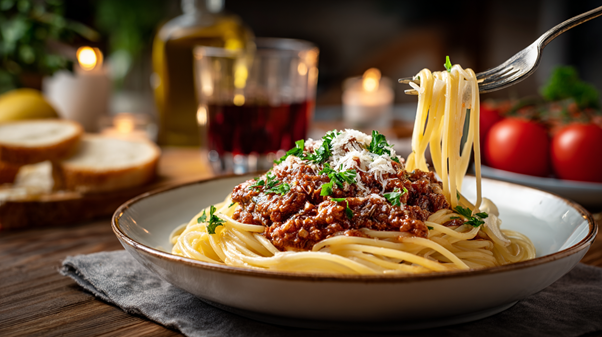
Taste is not only a biological reaction; it is a decision-making process shaped by memory, culture, emotion, and expectation. Modern research on food preferences shows that people rarely choose meals by flavor alone. Aroma, texture, color, habit, social setting, and even brand language influence what feels appealing, familiar, or worth trying.
How Taste Perception Begins
The psychology of taste starts with the senses. The tongue detects sweet, salty, sour, bitter, and umami, while smell adds depth and recognition. This is why food can seem dull when the nose is blocked. Texture also matters: creaminess may signal comfort, while crispness can suggest freshness.
Expectations change perception before the first bite. A beautifully plated dish may seem richer because the brain predicts quality. The same principle explains why labels, menu wording, and trusted recommendations can alter satisfaction. In behavioral terms, food choice resembles other preference-based decisions, including how users evaluate сasino uden ROFUS med Trustly through trust, perceived value, and personal relevance.
Psychological Drivers Behind Food Preferences
Food preferences are shaped by more than taste alone; they are closely connected to memory, emotions, and social experience. From childhood meals to cultural traditions, the foods people enjoy often reflect what feels familiar, comforting, or meaningful to them.
- Early exposure creates familiarity and reduces resistance to specific flavors.
- Family traditions connect dishes with safety, identity, and belonging.
- Emotional states influence cravings for comfort, novelty, or control.
- Social environments encourage people to copy group eating patterns.
- Past experiences can make one ingredient attractive or unpleasant.
Childhood plays a strong role because repeated exposure trains acceptance. A bitter vegetable may be rejected at first, then tolerated after several neutral experiences. This pattern explains why preference is flexible rather than fixed. Taste can be learned, revised, and expanded through consistent, low-pressure contact.
The EAV Model of Taste Behavior
The EAV model helps explain taste behavior by breaking food preferences into clear factors: entities, their attributes, and the values those attributes create. It shows that taste is not only about the food itself, but also about the consumer, environment, brand communication, and overall meal experience. This approach makes it easier to analyze why people choose, enjoy, or reject certain foods.
| Entity | Attribute | Value in food preference |
| Consumer | Memory | Links meals with personal stories and emotional comfort |
| Consumer | Culture | Defines acceptable flavors, eating rituals, and meal timing |
| Food | Aroma | Improves recognition and increases perceived flavor depth |
| Food | Texture | Creates expectations of freshness, richness, or quality |
| Environment | Lighting | Changes visual appeal and perceived warmth of a dish |
| Environment | Social context | Encourages imitation, experimentation, or restraint |
| Brand | Language | Frames ingredients as healthy, premium, traditional, or indulgent |
| Meal experience | Presentation | Raises expectation before tasting begins |
Why Cravings Feel Personal
Cravings often reflect more than hunger. Stress may increase desire for sweet or fatty food because the brain seeks quick comfort. Boredom can trigger snacking as stimulation. After exercise, people may prefer salty meals because the body associates salt with recovery and balance.
Food preferences also interact with identity. Someone may choose plant-based meals to express ethics, select regional cuisine to maintain heritage, or avoid certain ingredients to support a health goal. In each case, taste becomes part of self-definition, not merely sensory pleasure.

How Preferences Can Change Over Time
Taste preferences can change over time, especially when new foods are introduced gradually and in a positive context. Developing an acquired taste often depends on familiarity, repeated exposure, and the way unfamiliar flavors are paired with enjoyable experiences.
- Introduce one unfamiliar ingredient with a familiar dish.
- Repeat exposure without forcing immediate approval.
- Change preparation methods, such as roasting instead of boiling.
- Pair challenging flavors with pleasant aromas or textures.
- Reduce excess sugar or salt gradually to reset expectations.
- Eat mindfully to notice flavor layers and fullness signals.
- Use positive social settings to support openness to new meals.
Adults can develop new preferences because the brain remains adaptable. Coffee, olives, seafood, fermented products, and spicy dishes are common examples of acquired tastes. Repetition, context, and motivation help transform initial rejection into appreciation.
Practical Insight for Healthier Eating
Understanding taste psychology makes nutrition easier to personalize because food preferences are shaped by both biology and experience. Instead of relying on strict rules, effective strategies can work with habit, pleasure, emotion, memory, culture, and environment through smaller plates, attractive preparation, balanced seasoning, and planned variety. This helps people make healthier choices, enjoy broader cuisines, and build a more positive relationship with food.